Career Cooking Program
A 22-week hands-on culinary training program in a state-of-the-art kitchen in downtown Saskatoon, offered by the Athabasca School of Culinary Arts.
Training by Industry, for Industry
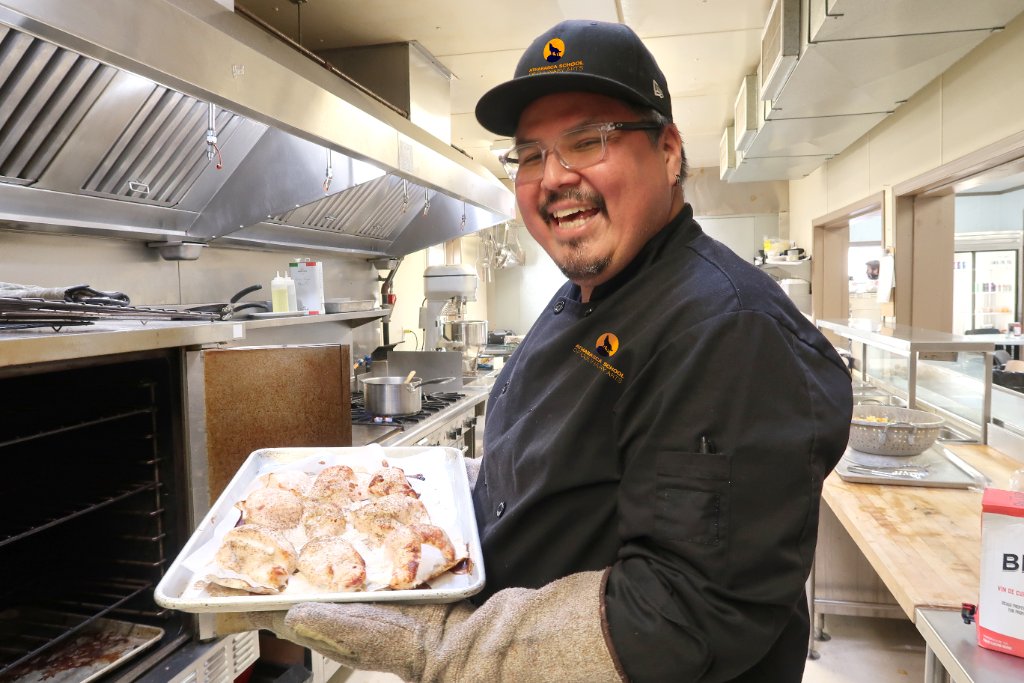
The Career Cooking Program is a 22-week program offered in a state-of-the-art classroom and kitchen in downtown Saskatoon at the Kitsaki Management Building.
LLRIB members will need to complete a 2-week practicum placement post-program to satisfy funding obligations.
January 4, 2027 - June 4, 2027
September 7, 2027 - February 18, 2028
February 28, 2028 - July 28, 2028
September 5, 2028 - February 16, 2029
22 weeks
321 21st St E, Saskatoon, SK S7K 1N1
Week-by-Week Program Outline
Workplace Essentials
- • General work readiness skills
- • Conflict management
- • Respectful workplace
- • Allergy awareness
- • Communication
- • Stress management
Certification Training
- • First Aid / CPR
- • WHMIS
- • Fire Safety
- • Food Safe
Culinary Foundations & Culinary Skills
Culinary Foundations
Culinary Foundations provides the base from which a culinary student can build their career. Proper safety, sanitation, and professional conduct are essential within the culinary brigade.
Students will develop an understanding of the many tools, smallwares, and equipment used in the kitchen, helping them work efficiently and with precision. Culinary terminology, food science, and cooking methods are also covered in detail.
Culinary Skills
Culinary Skills begins the practical culinary adventure as students break out their knives and learn proper knife techniques and shape cutting.
Students will practice a range of essential culinary skills, including seasoning and flavouring, blanching and par-cooking, marinating and brining, as well as breadings and batters. Dry aging and procedure writing are also explored.
Culinary Skills & Measurement, Recipes, and Calculations
AM Class – Measurement, Recipes & Calculations
Measurement, recipes, and calculations are used extensively in the kitchen. Students will learn the importance of accuracy in measurement and understand the effects a miscalculation can have.
The class will explore menus, different menu types, and the importance of clear menu communication in foodservice. Students will work with recipes and recipe conversions and learn how percentages relate to business costs and food product yields.
Students will also develop an understanding of food cost and learn about waste tracking.
Stocks, Soups, and Sauces
During this course, students will learn how to create flavourful, clear stocks using vegetables, chicken, beef and fish bones, and aromatics.
From these stocks, students will explore the categories of soup preparation, including clear soups, cream soups, purées, consommés, chowders, and national soups.
Students will also create the five leading sauces, which will be used during the Protein Gastronomy course to accompany a variety of proteins.
Protein Fabrication & Gastronomy / Vegetables, Fruits, and Starches
Production Days: Students will work in pairs to create 2 exact plates demonstrating a protein, 2 vegetables, a starch, accompanying sauce and garnish to a casual fine dining standard.
Protein Fabrication
Learn to break down and fabricate various meats, poultry, and game, which will then be used as your cooking medium for that day, including:
- • Chicken
- • Game Hens
- • Duck
- • Pork
- • Beef
- • Lamb
- • Game Meats
Vegetables, Fruits & Starches
Prepare a variety of vegetables and starches using modern and classic cooking methods. Learn to produce fresh pastas, use grains in risottos and pilafs, and discover the versatility of potatoes in casseroles, gratins, and purées to complement a dish.
Fish Fabrication
Discover the vast world of fish and seafood. Scale, fillet, and debone a variety of roundfish and flatfish.
Explore the various classifications of seafood, from mussels and oysters to shrimp, scallops, and lobster.
Learn the proper cooking methods for both fish and seafood.
Bakeshop Fundamentals
Understand the importance of accuracy and measurement in the bakeshop. Using simple ingredients, students will learn how to create a wide variety of baked products for guests.
Classes will cover quick breads, yeast doughs, cookies and squares, cakes and buttercream, pies and pastries, as well as commercial ready-to-bake products.
Breakfast and Dairy
Practice the skills of egg cookery, breakfast quick breads, and contemporary breakfast dishes such as Eggs Benedict, frittatas, and quiche.
Students will also take part in a cheese tasting class, sampling a variety of cheeses from around the world while exploring the non-dairy options available in today's market.
Line Cook Practical – Breakfast
At the Athabasca School of Culinary Arts, we believe we need to practice what we learn. Through our Practical Line Cook Skills weeks, students put their knowledge to work in a real-life setting.
Students will open a breakfast restaurant where they can practice their skills while serving invited guests. They will experience how to set up a breakfast line, work together as a team, and prepare dishes in a live restaurant environment.
Garde Manger
The cold kitchen is a fascinating area of a foodservice establishment. Learn how to prepare fresh salads, vinaigrettes, and emulsifications while developing the skills to construct flavourful, visually appealing sandwiches and sushi.
Students will then turn their attention to hot sandwiches commonly found in today's popular lunch spots.
Line Cook Practical – Lunch Service
Week 19 is spent opening and operating a fast-paced lunch restaurant. The menu will feature a variety of lunch options where students can begin to hone their newly learned skills in a live restaurant setting.
Line Cook Practical – Breakfast & Lunch Service
Students will learn how to turn a restaurant line around from breakfast to lunch service. Building on their previous practical experience, students will continue to develop their skills by preparing both breakfast and lunch service in a live restaurant setting.
Line Cook Practical – Buffet & Catering
Week 21 takes a different turn as students learn about buffet and catering service. Students will plan, prepare, and execute live culinary events either in-house or within the greater Saskatoon community.
Black Box and Final Theory Examinations
This is the final week of the program. Students will be challenged with a timed Black Box Practical Exam designed to test the knowledge and skills they have developed throughout their training.
Students will design a menu based on their revealed ingredients and then execute that menu within a timed period.
- • Final Theory Exam
- • Kitchen Clean Up